An initiative by Manas Dowlani  ·  Indore, since 2018

Light one
diya.Then keep going.

Dilwali Diwali is a Diwali tradition, but not the one you're picturing — while most homes are lighting lamps for their own pooja, our volunteers are on the road at dawn, sharing sweets, handmade postcards and diyas with the people who are working so everyone else can celebrate.

2018Where it began
5000+ kgRation shared
5Partner homes in Indore
Scroll down
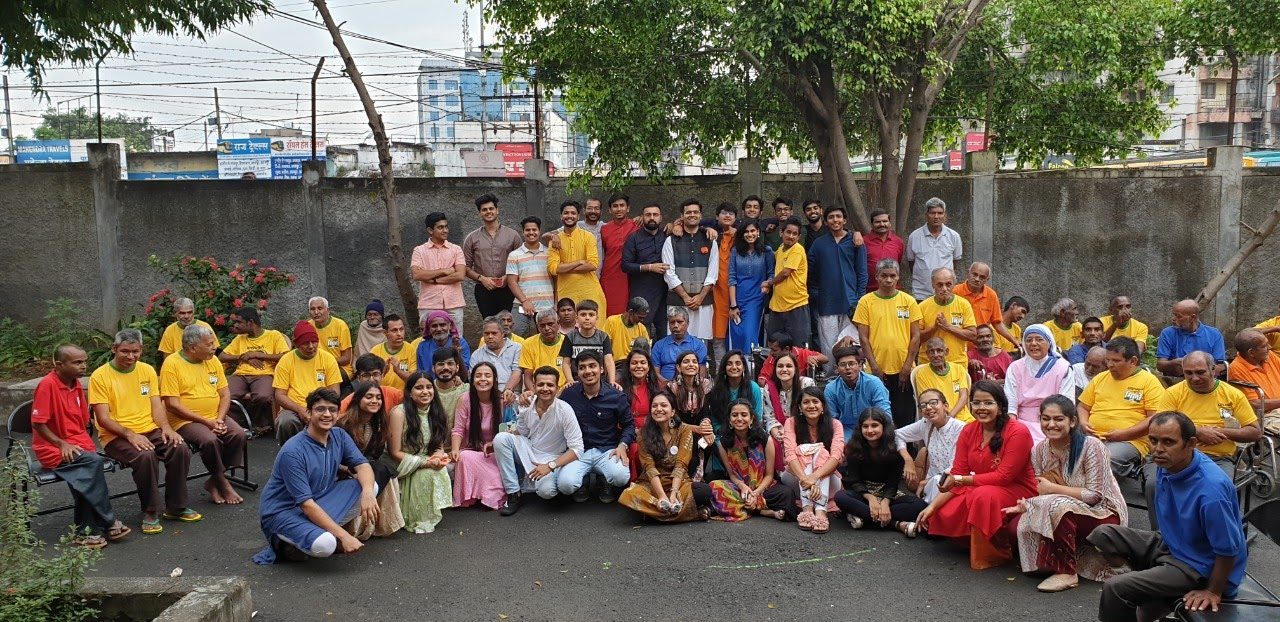
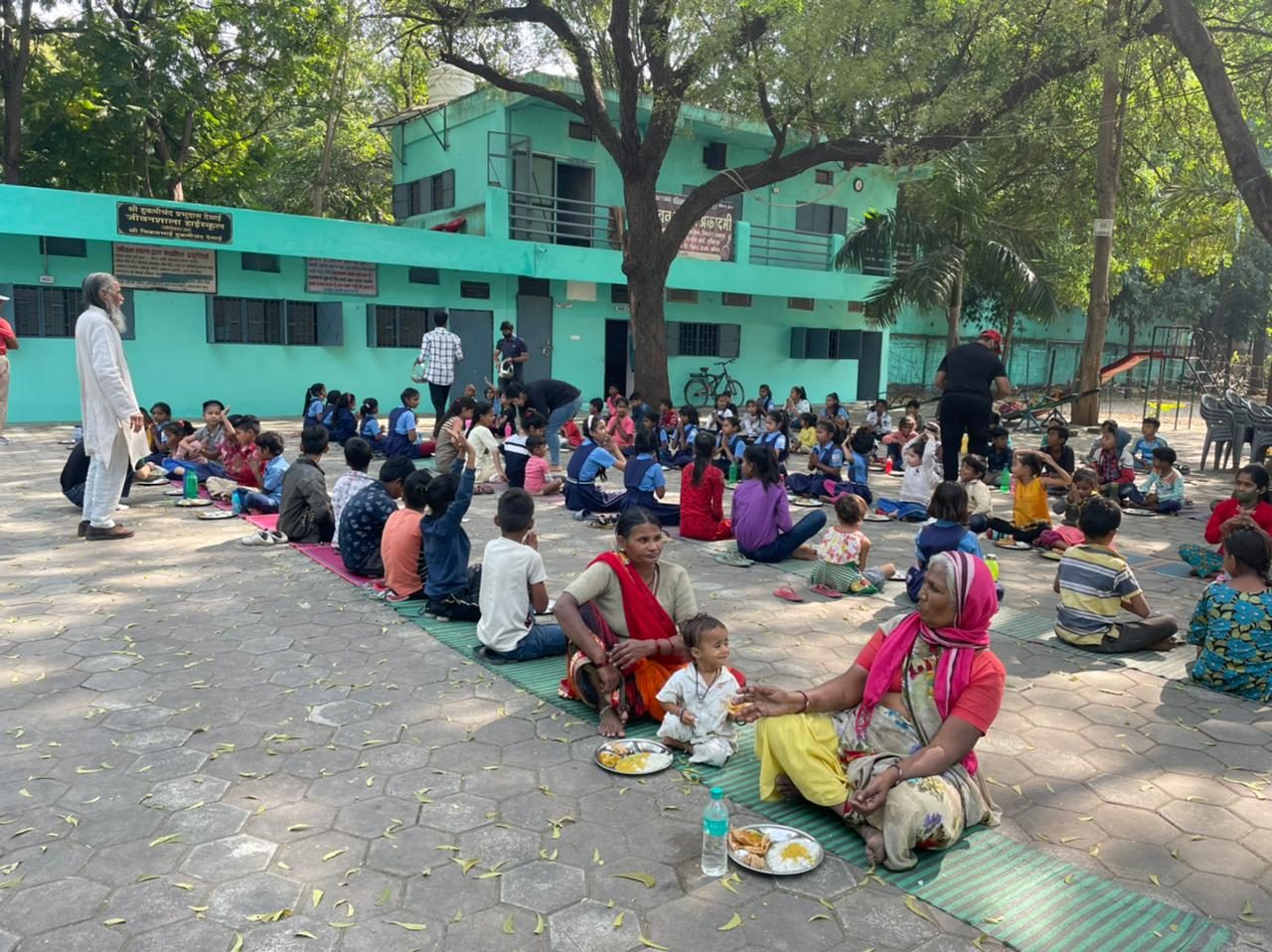
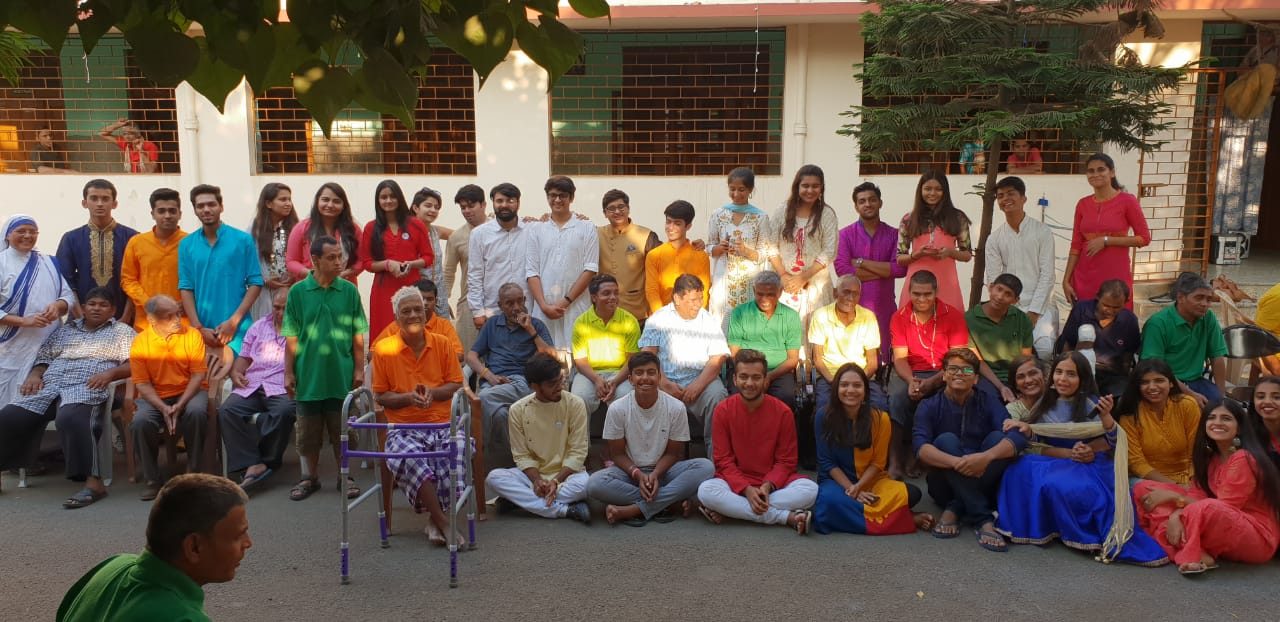
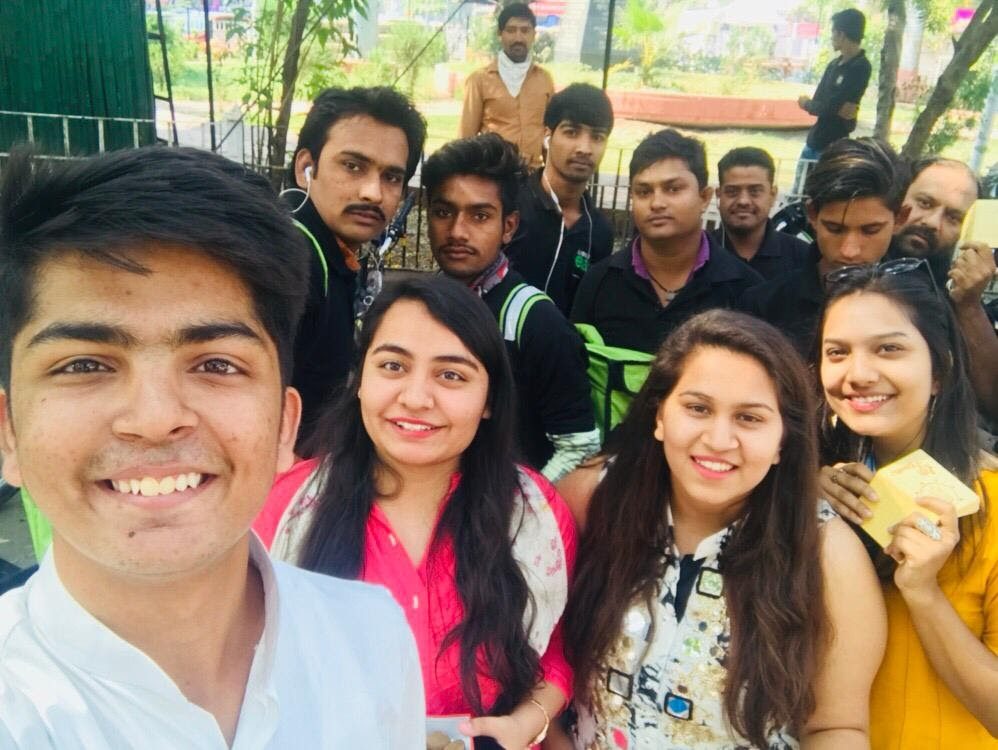
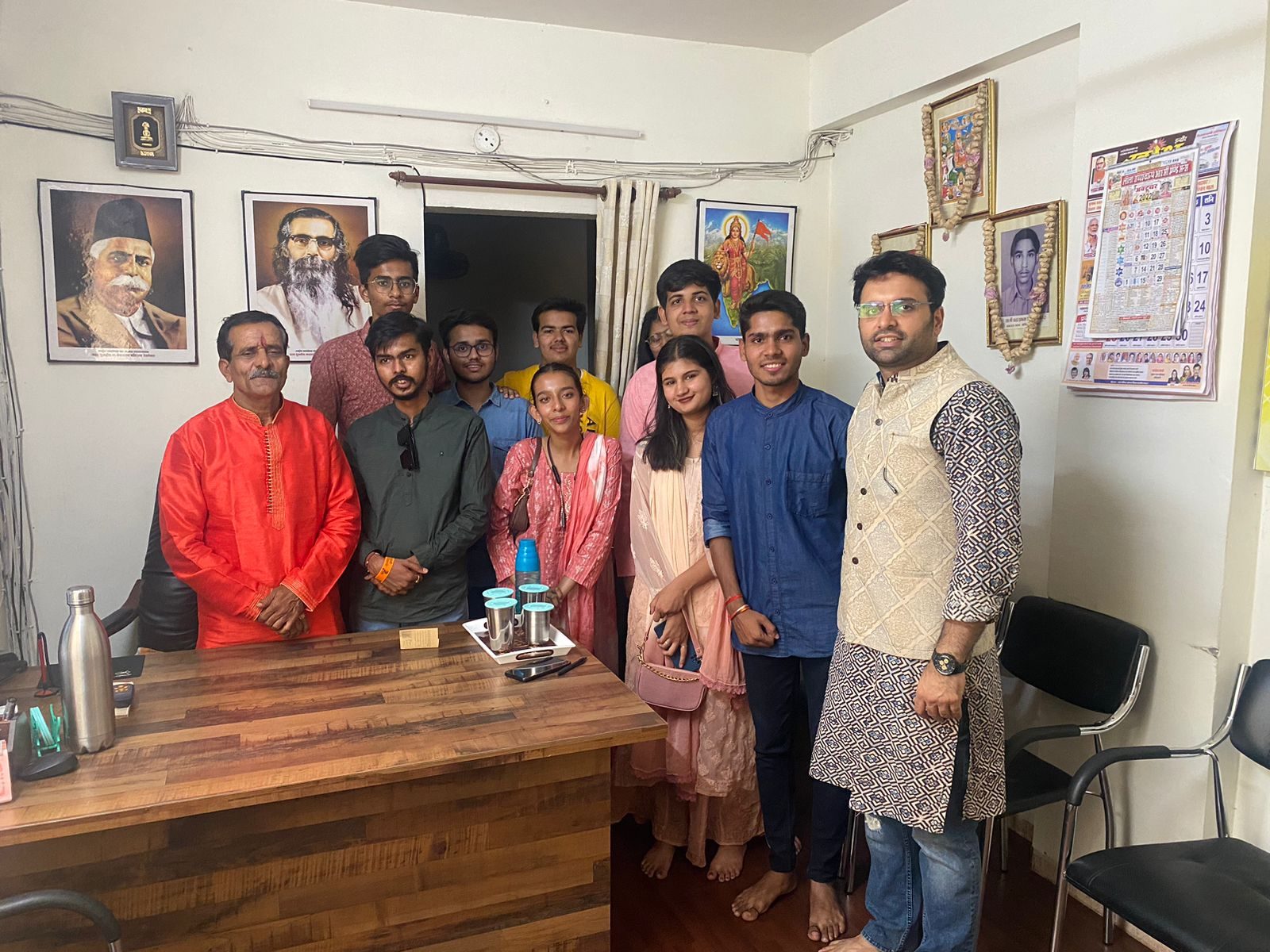
Volunteers gathered together, 2018, the year Dilwali Diwali began

— the very first year, 2018. Indore.

How this started

A festival for those
who don't get to stop.

Every Diwali, Indore lights up. Homes fill with diyas, sweets get passed door to door, and for one morning the whole city seems to slow down and celebrate together. Except — it doesn't, not for everyone. The police constable is still on duty. The railway staff is still on the platform. The municipal worker is still sweeping the street you just decorated.

Dilwali Diwali began in 2018 as a simple question: what if Diwali morning wasn't something we paused for, but something we carried outward? So a small group of us — mostly college-aged, mostly figuring it out as we went — started going door to door and post to post before our own celebrations began. Sweets in hand. A handmade postcard with a Diwali wish. A diya, so the light reaches them too.

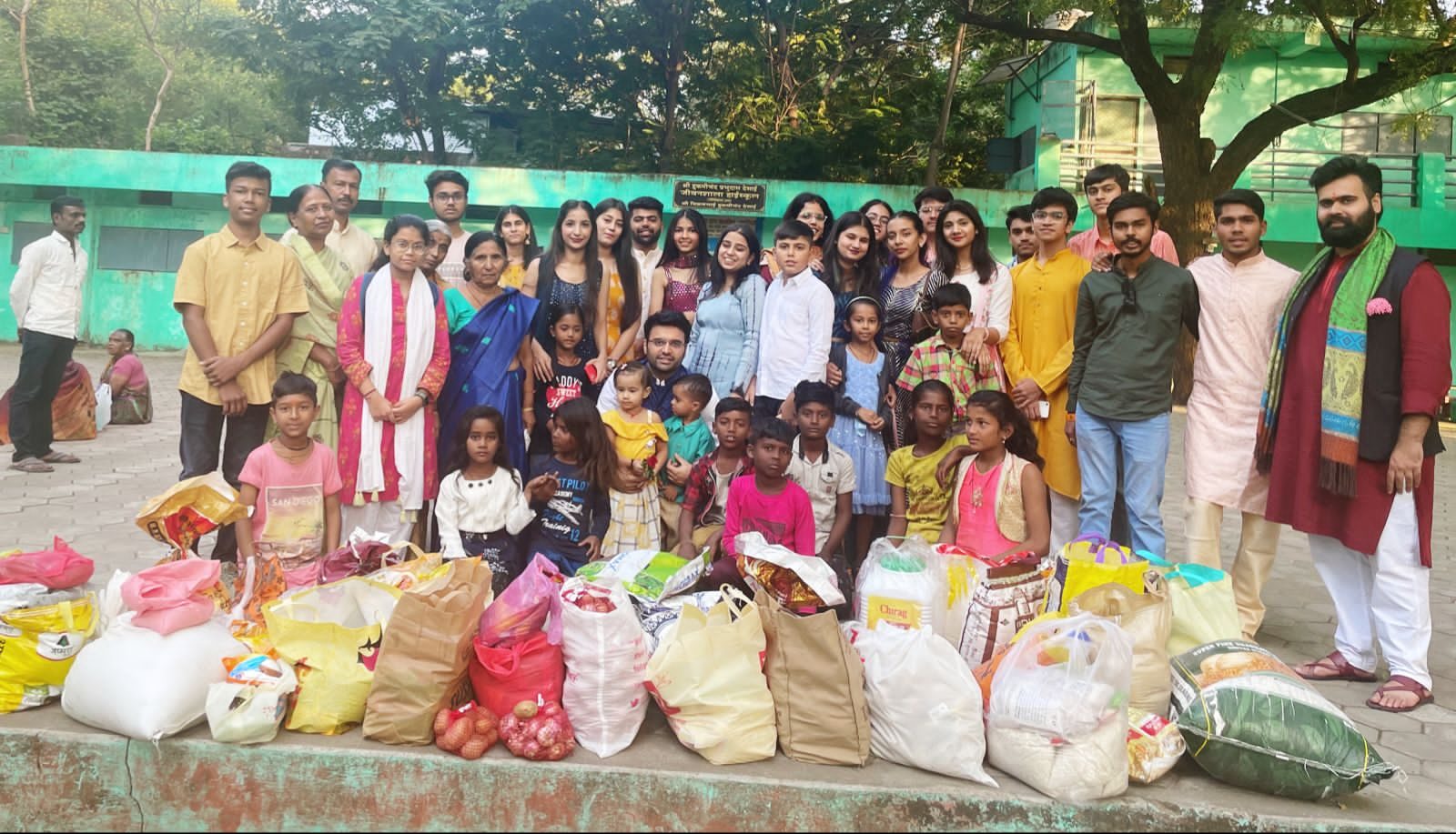
What started as one morning has grown into fifty days of quiet work before it — collecting ration across Indore, packing it, and carrying it to a school, an orphanage, an old age home and a hospital ward that need it far more than any one of us needs another box of mithai.
"It was never meant to be an 'NGO'. It was meant to be a habit — something we do every year, the way you'd light a diya without needing a reason twice." Manas Dowlani, Founder
स्वेच्छा कर्मी Swechcha
Karmi.

Swechcha Karmi — literally, "one who acts by their own will." It's what we call our volunteers, and it's deliberate. Nobody is assigned Dilwali Diwali. Nobody is asked twice.

Most of our Swechcha Karmis are between 14 and 25 — old enough to carry a sack of ration up a staircase, young enough that this becomes the Diwali memory they measure every other one against. We built it this way on purpose: sewa bhaav, the spirit of service, has to be invoked early, or it's rarely invoked at all.

Some have been doing this since school. Some fly back to Indore just for this week. All of them show up because they want to — which, we've found, is the only reason that actually lasts.

The Morning Of  ·  Diwali Day

While the city lights
diyas at home, we go out.

This is the route, more or less, that Swechcha Karmis have walked every Diwali morning since 2018 — sweets and postcards first, then the visits that follow over the days after.

First Light · ~6:30 AM

Police chowkis & traffic posts

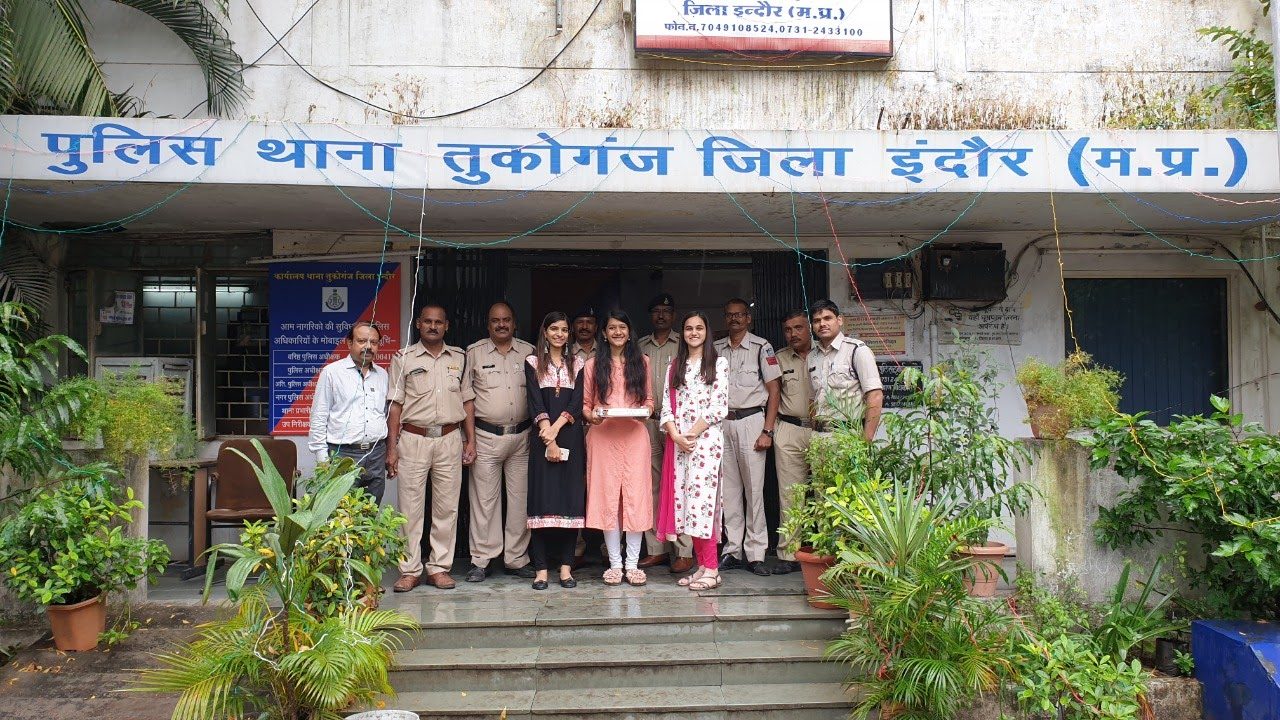
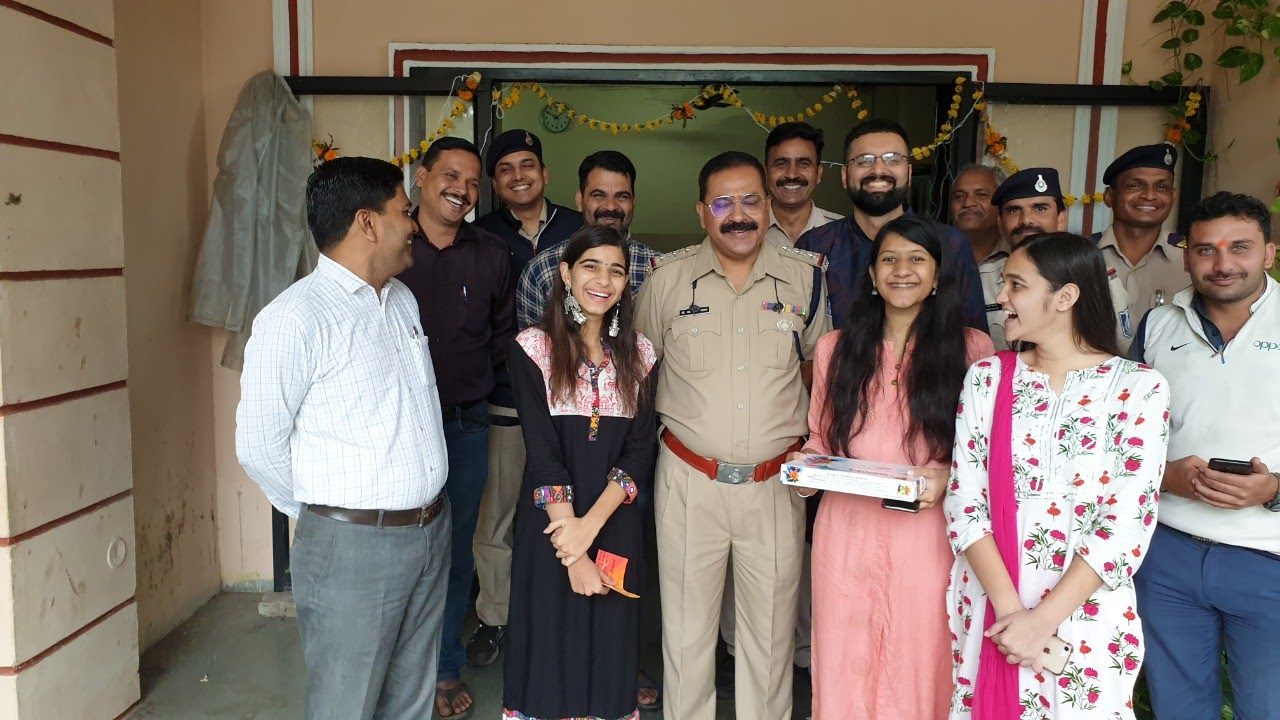
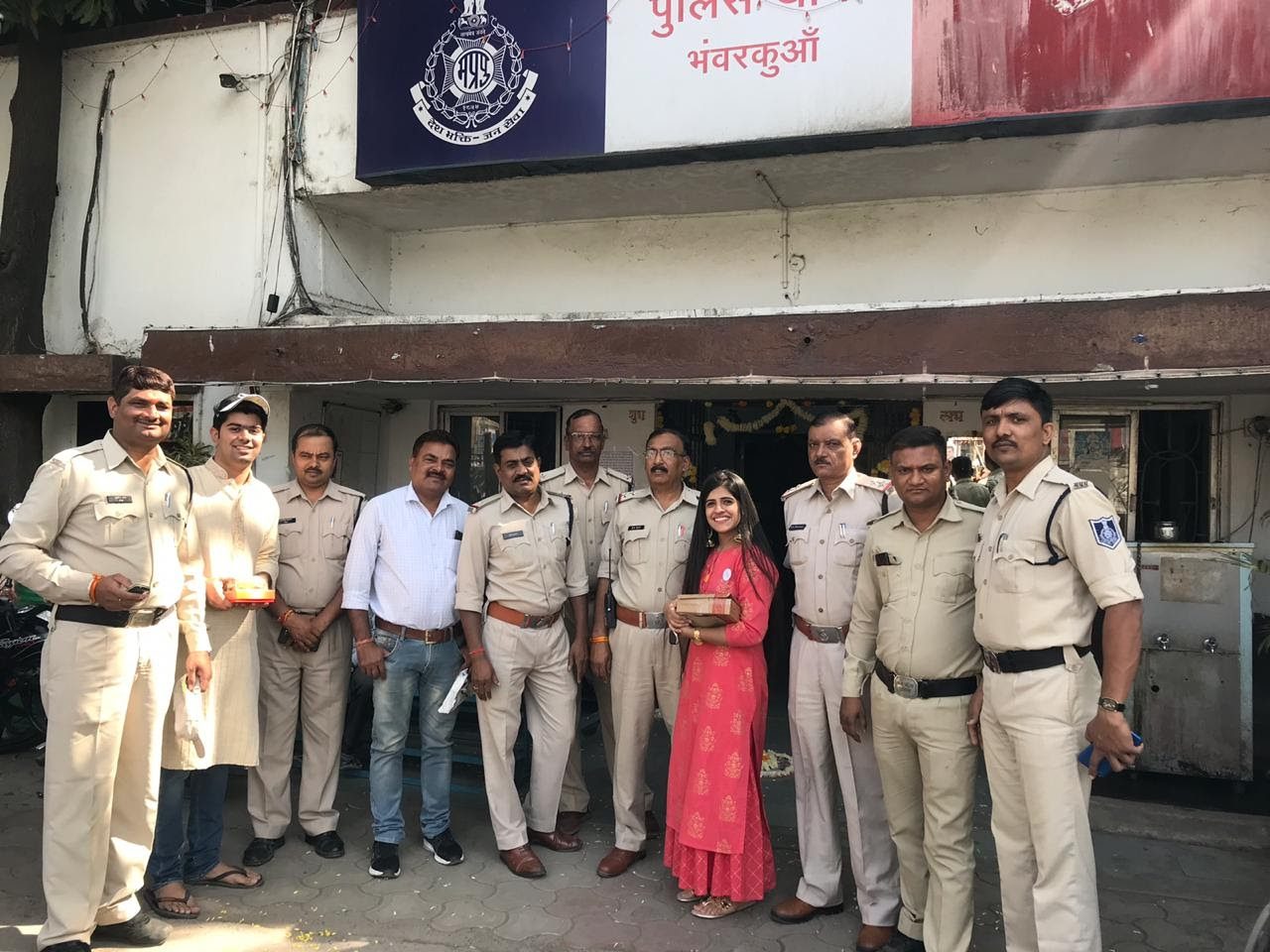
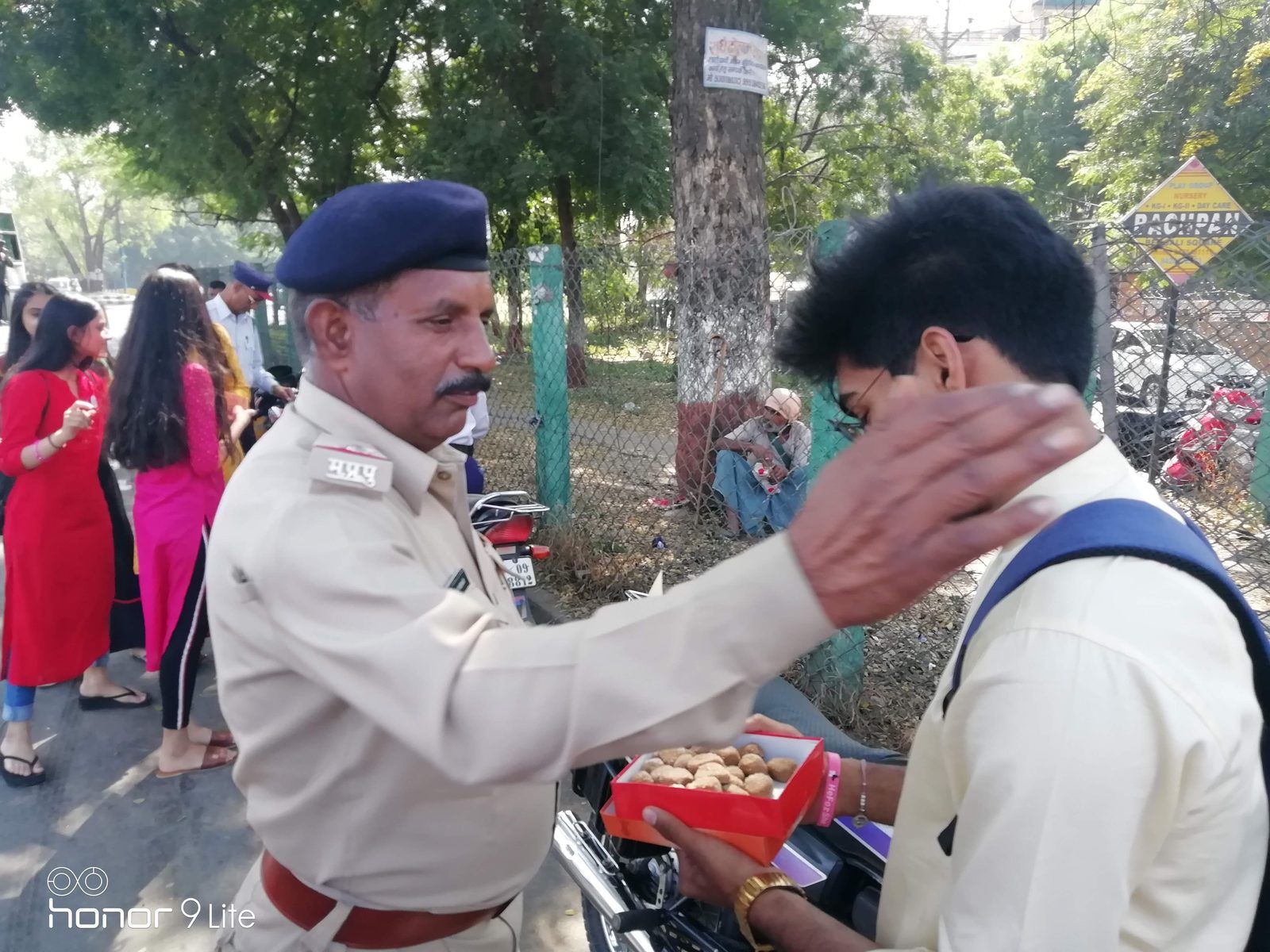
Constables who've been on duty through the night are often the first to see us — a box of sweets, a diya, a postcard signed by a Swechcha Karmi who's usually a third their age. It throws them off, every year, in the nicest way.

Morning · ~7:30 AM

Railway & bus staff

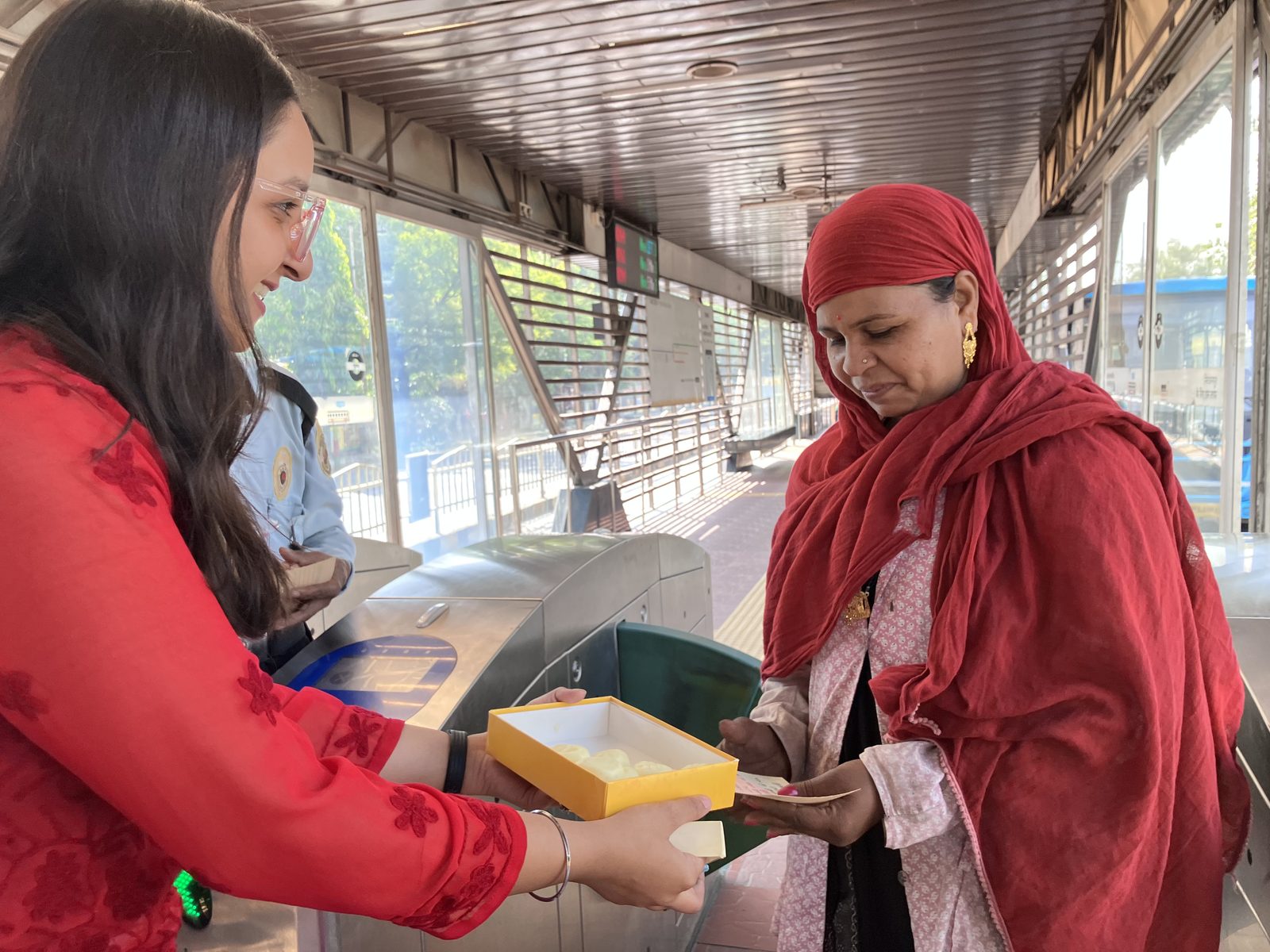
The people making sure everyone else gets home for the festival rarely get to go home for it themselves. We meet them on platforms and at stations — a small stop, but one they remember.

Mid-Morning

Security guards & municipal workers

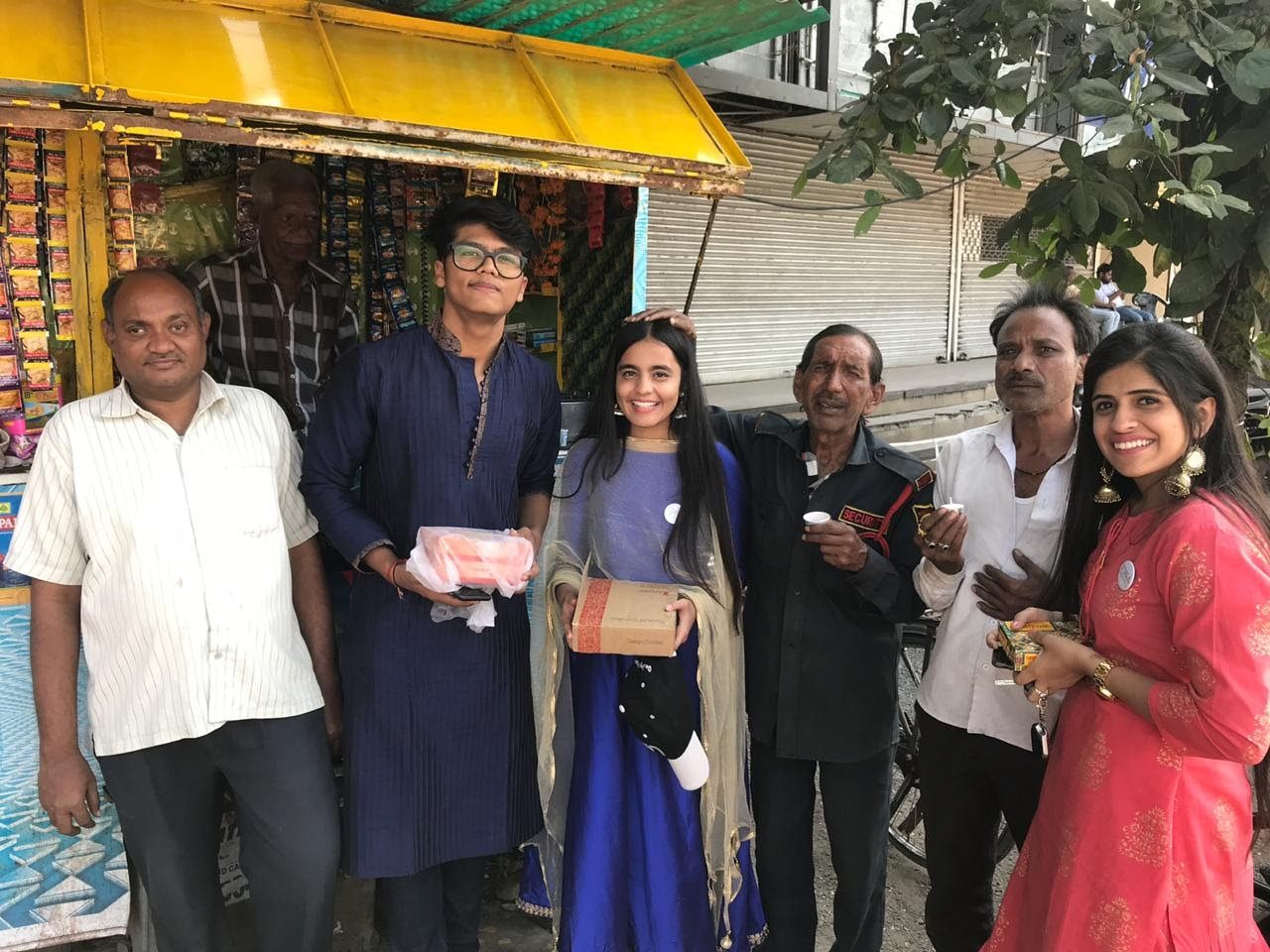
Society gates, hospital entrances, street corners being swept clean for everyone else's rangoli — we try not to walk past anyone still working. A diya, a sweet, a "Happy Diwali" that's actually meant for them.

Same Day

Sahara Ward, the government hospital

Not everyone can leave a hospital bed for Diwali. We bring Diwali to them instead — a visit, sweets, and a little of the festival's warmth into a ward that doesn't usually get any.

The Days After

The school for underprivileged children

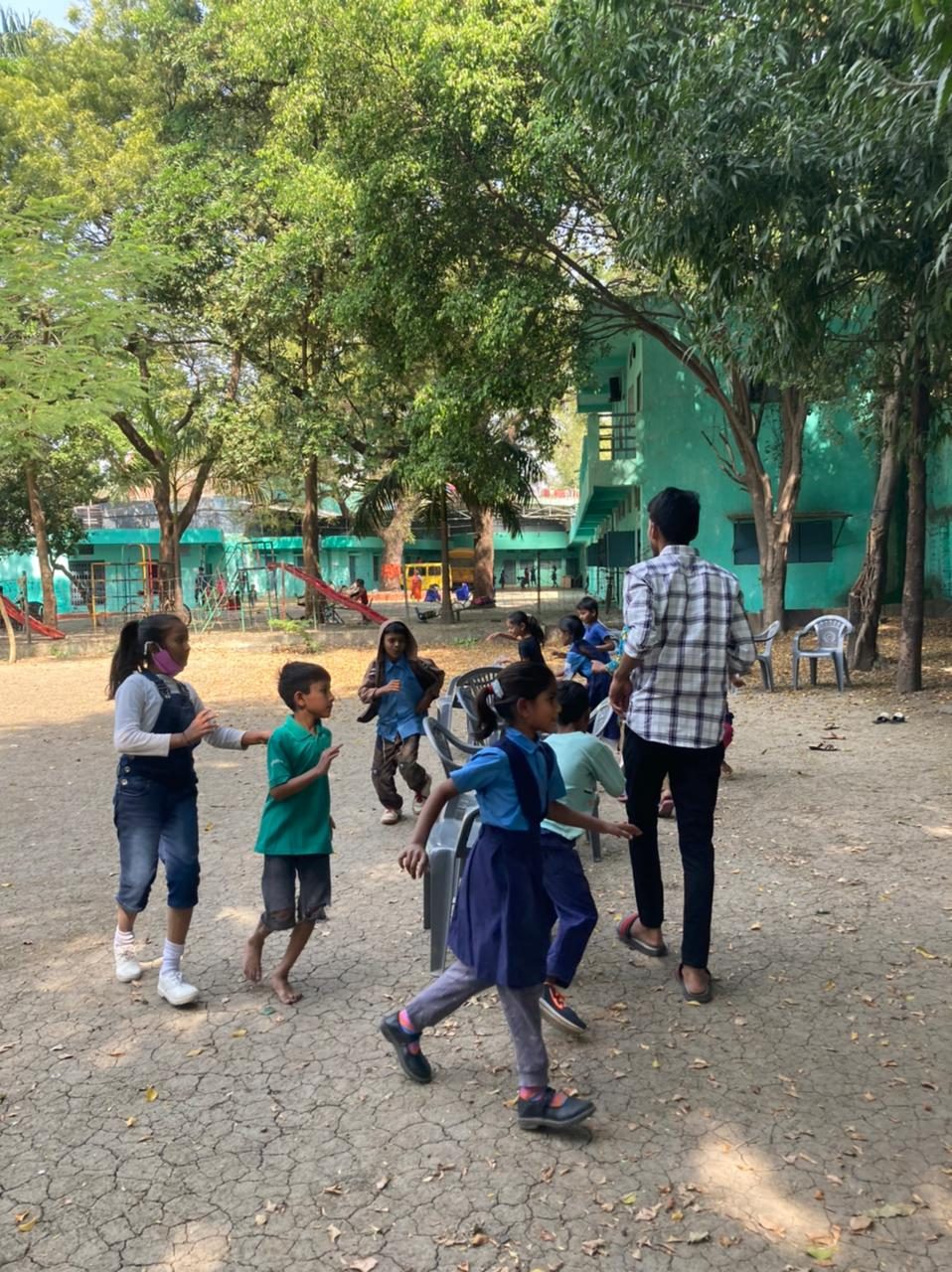
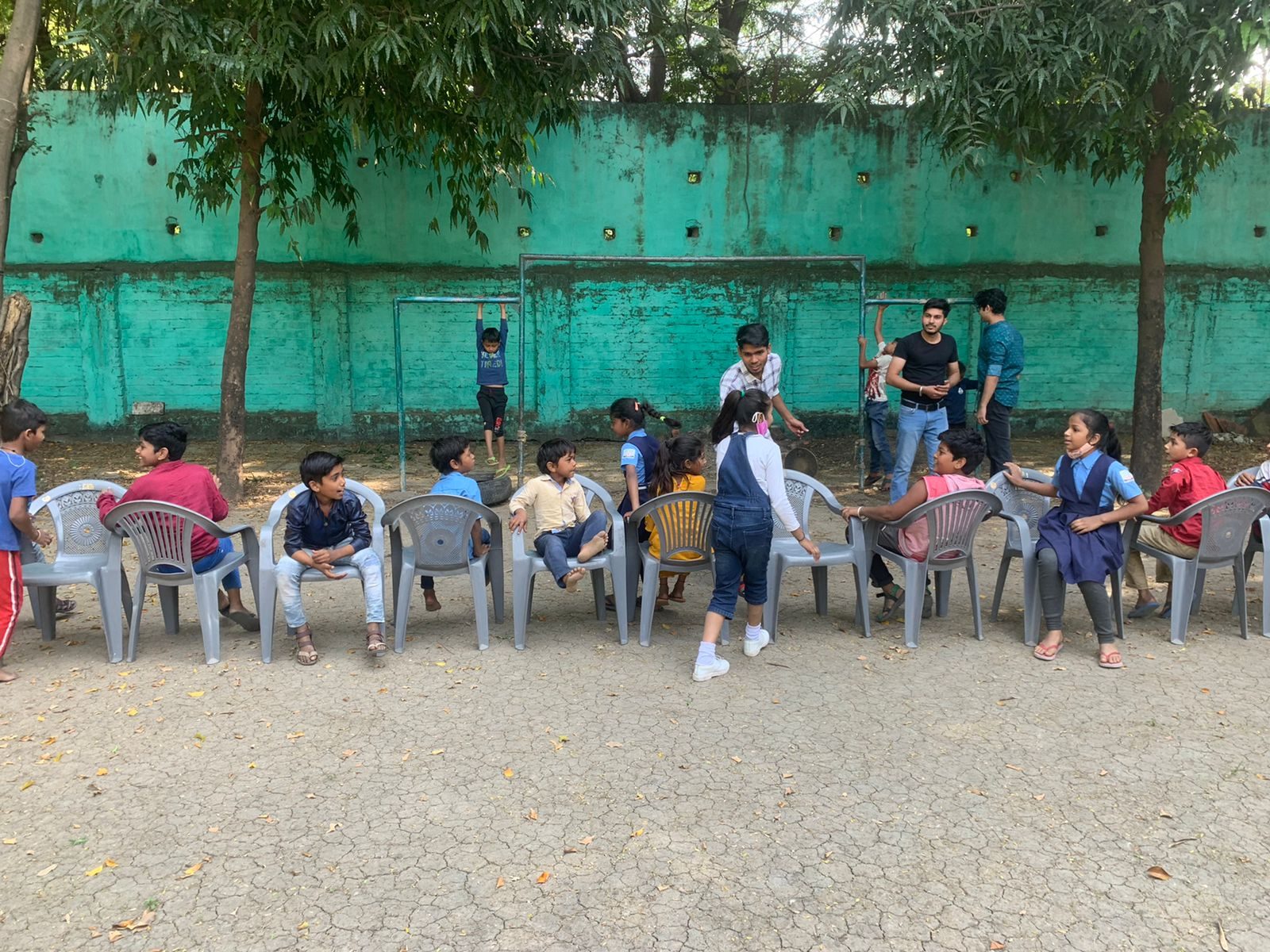
Food, clothes and footwear go first. In the days that follow, we come back and serve a meal in person — because a donation dropped off is good, but a Diwali actually shared is better.

The Days After

The orphanage

We ask what's actually needed — not what we assume — and bring exactly that. It changes every year. What doesn't change is the room full of kids waiting for us at the gate.

Last Stop, Every Year

The old age home

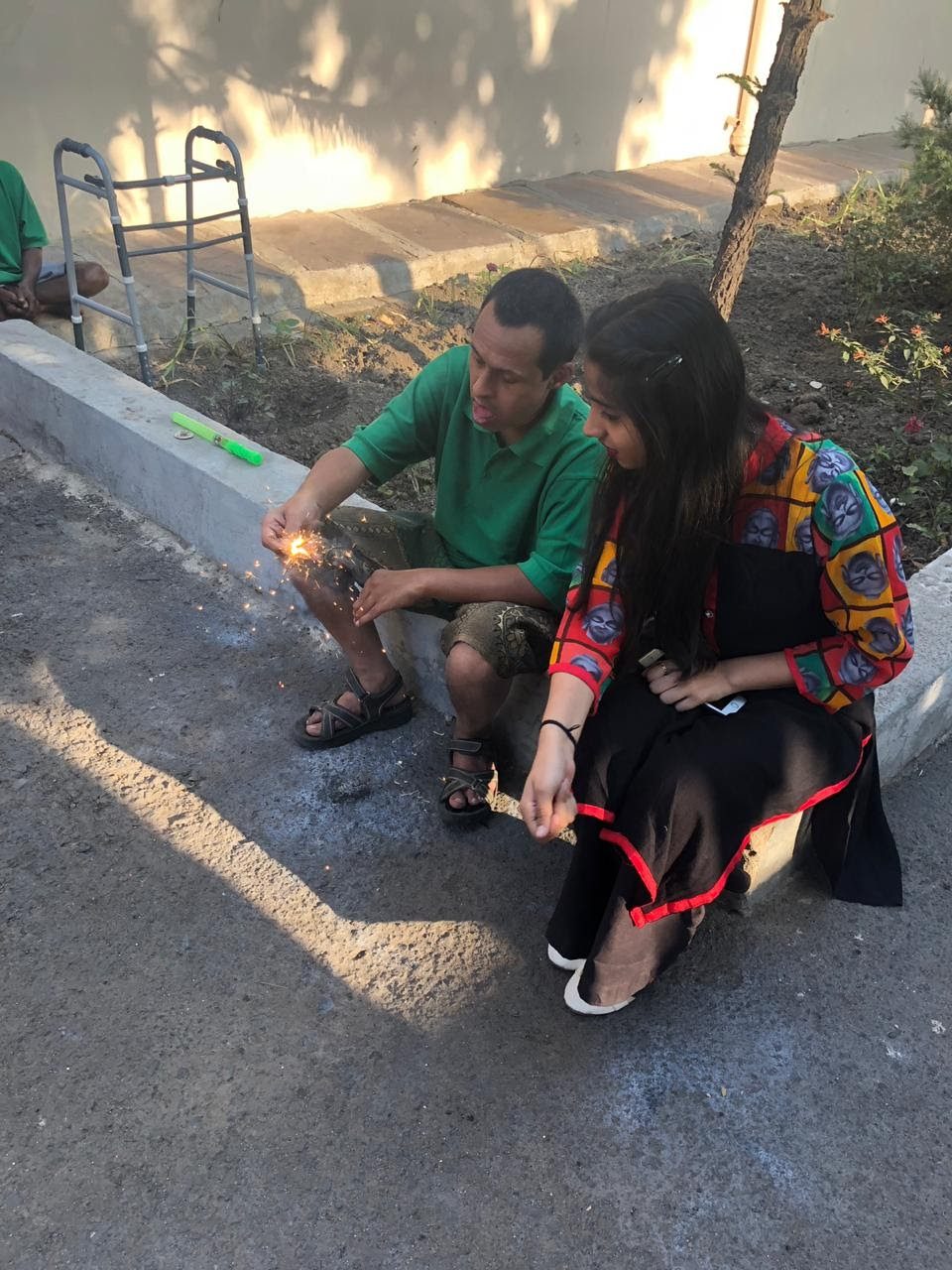
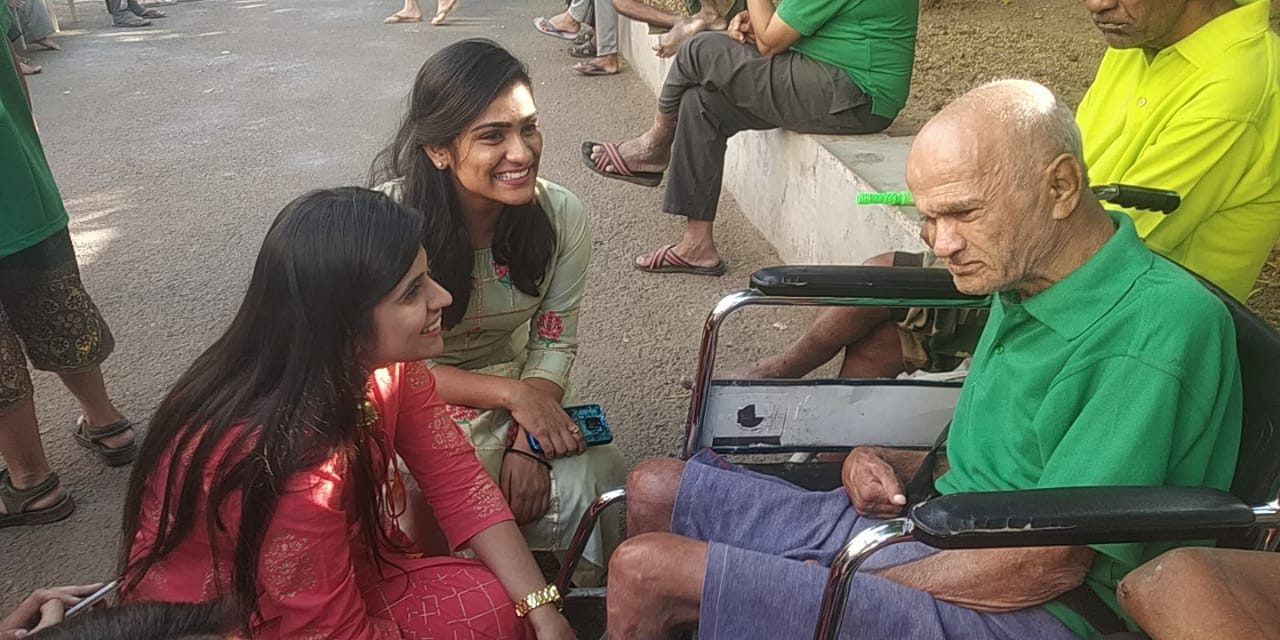
Medicines, ration, and then — because Diwali is still Diwali — flameless diyas and a few crackers so the seniors get to celebrate too, safely, surrounded by people who came just for them.

In The Streets

This is what it
actually looks like.

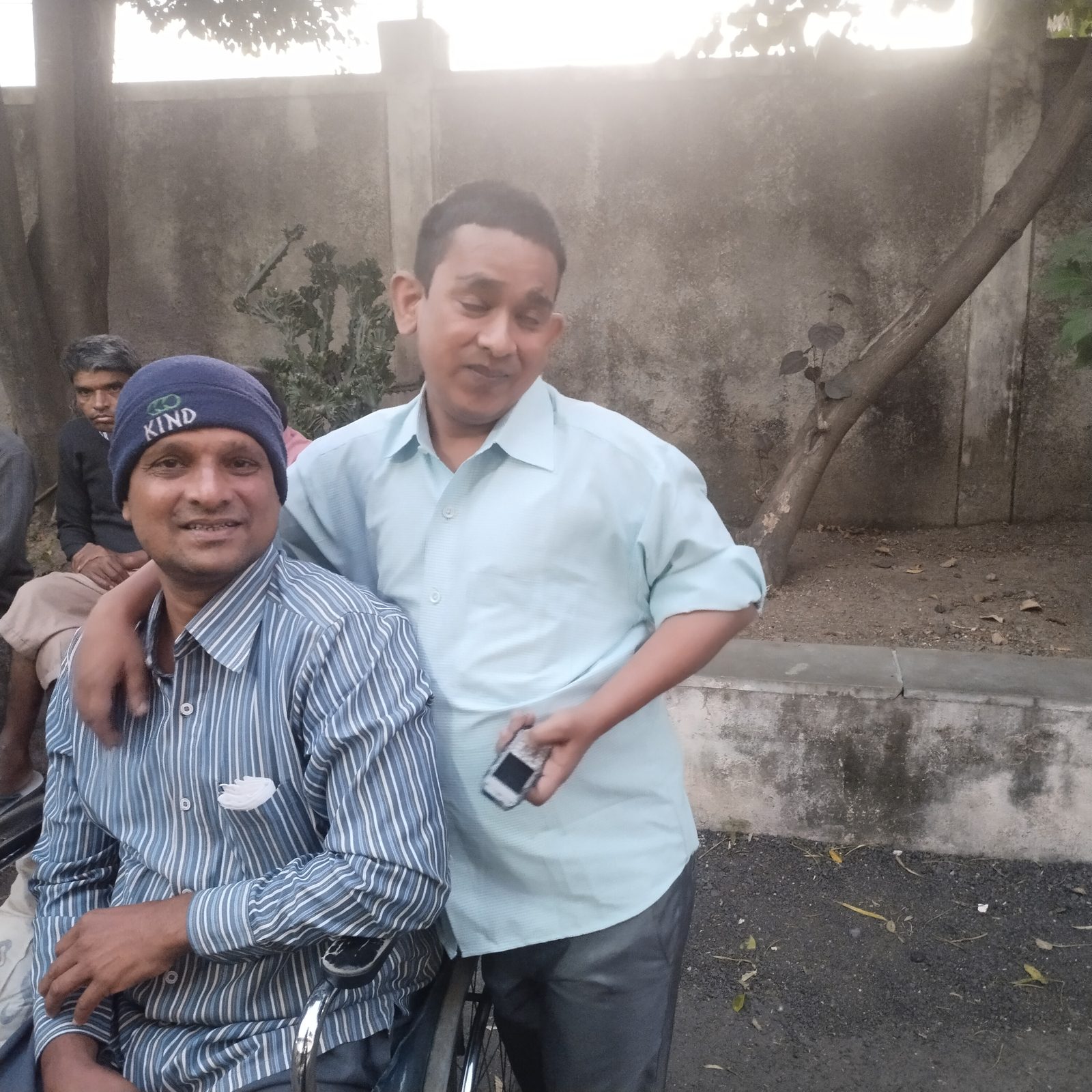
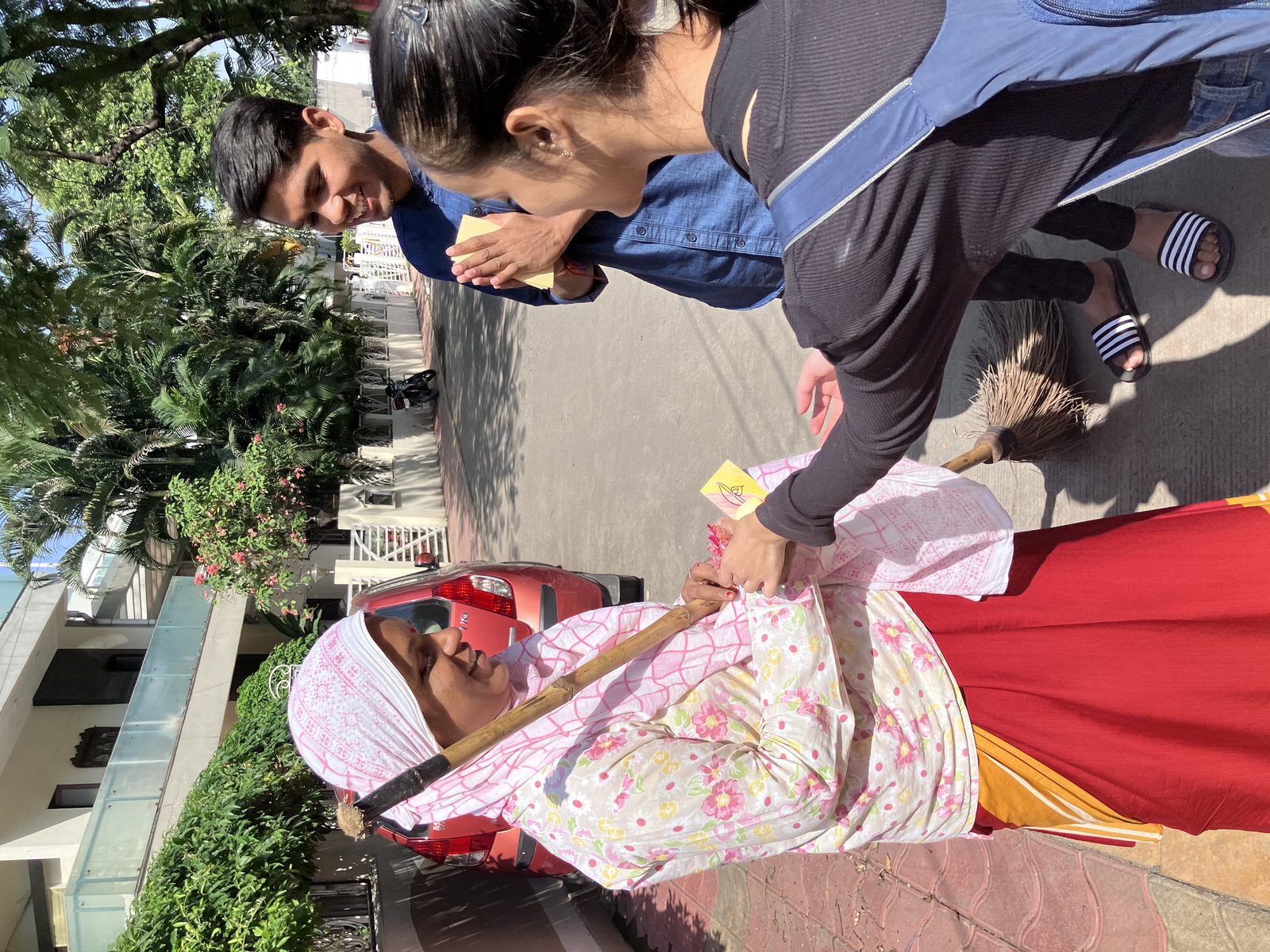
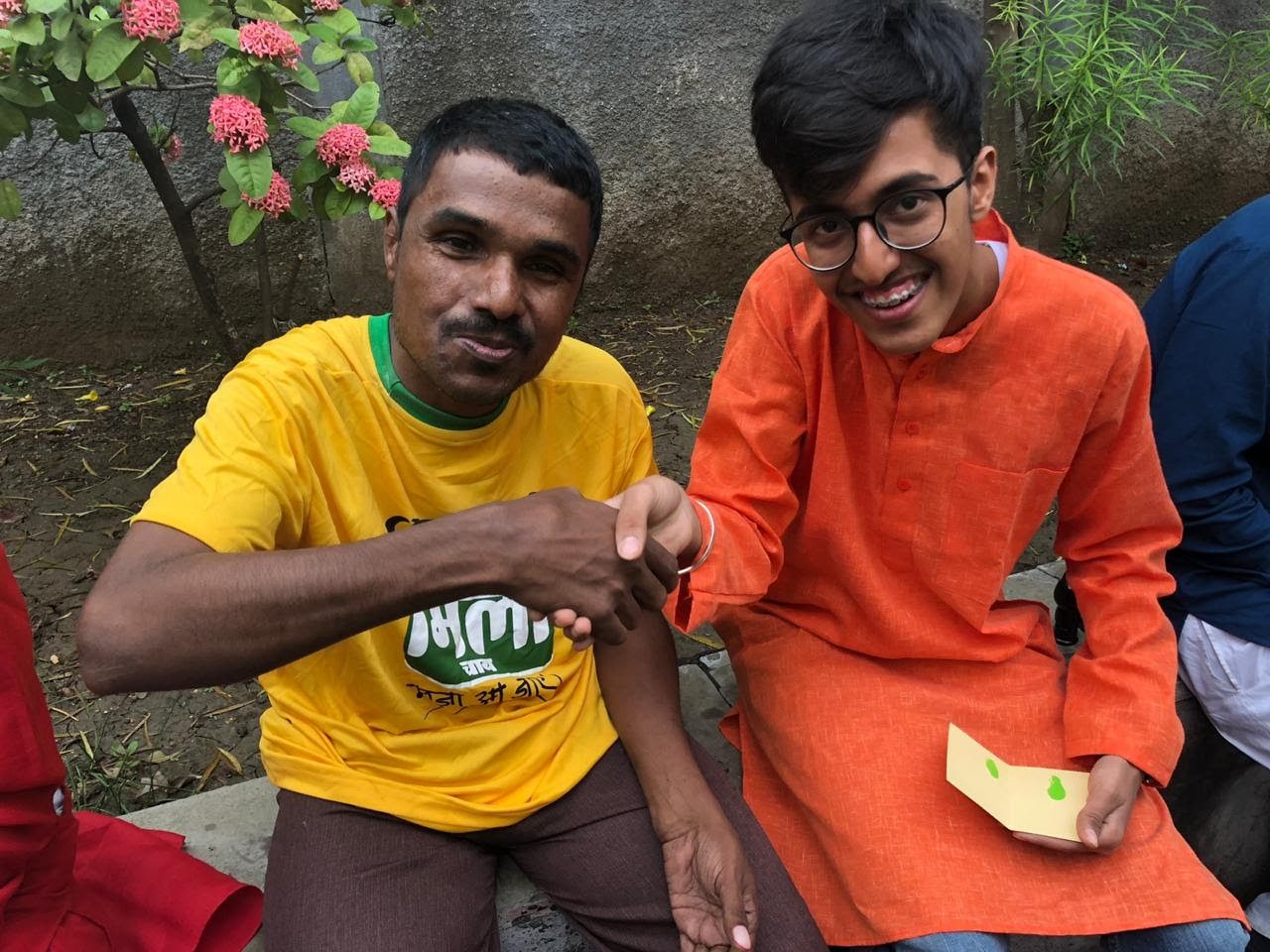
Not staged, not styled — sweets handed through car windows, postcards pressed into hands, a constable and a college kid, sparklers in the dark. Diwali morning, from 2018 to now.

Volunteers offering sweets and postcards to a police officer Volunteer greeting a municipal worker with a diya packet Volunteers with police officers outside a police station in Indore Officer receiving a sweet box from a volunteer on the street Volunteer at a metro station handing sweets to a woman Group of volunteers taking a selfie with security staff
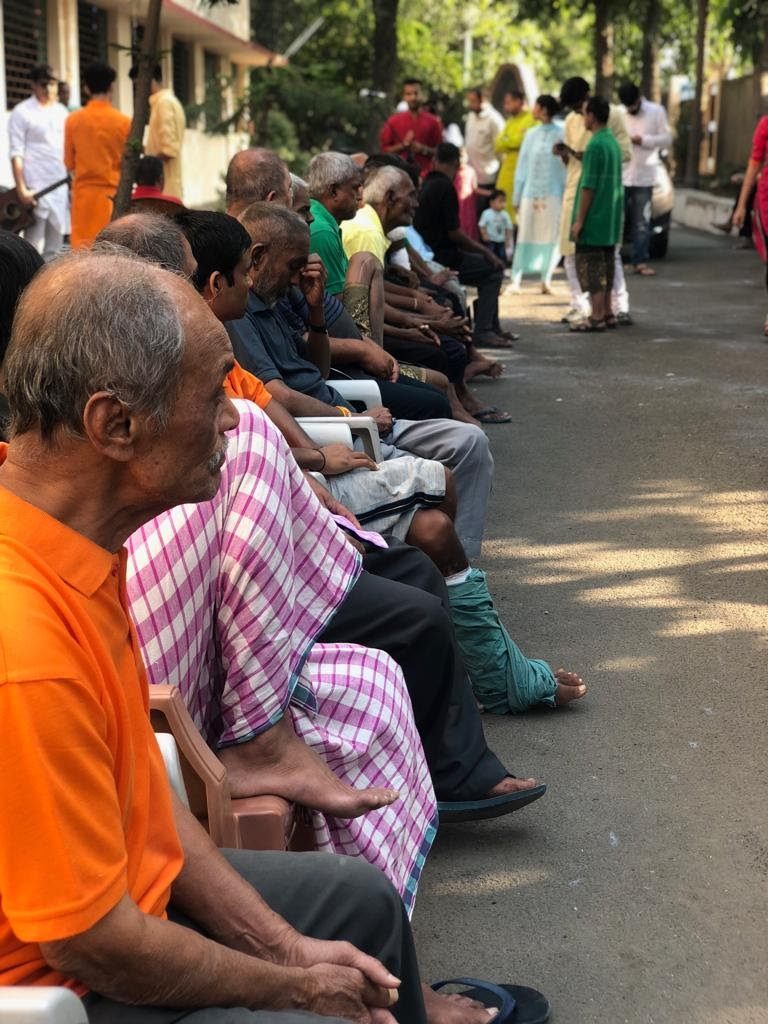
Volunteers greeting a street sweeper with folded hands Volunteers posing outside a police thana in Indore Police officer applying tilak on a volunteer's forehead with sweets Two volunteers with an elderly man at the old age home A large group photo of volunteers and seniors at the old age home Elderly residents seated in a row for the Dilwali Diwali celebration
Four Homes, Four Kinds of Care

What we actually
carry through the door.

Nothing generic — each place gets what it has told us it needs, gathered over fifty days of ration collection across Indore before Diwali even arrives.

The School

Food for their daily meals, clothes and footwear for the children — and in the days after Diwali, our volunteers come back to serve the meal in person.

Underprivileged school, Indore

The Orphanage

We ask first, then collect and deliver — items the children and caretakers have actually asked for, not what we assume they'd want.

As raised by the home

The Old Age Home

Medicines and ration first. Then flameless diyas and a few crackers, so our seniors get their own small, safe Diwali celebration with us.

Every year, without fail

Sahara Ward

A Diwali visit and donation for patients in the government hospital's Sahara ward — because a hospital bed shouldn't mean missing the festival entirely.

Government Hospital, Indore
Fifty Days Before Diwali

The collection
begins in silence.

Long before the sweets and the postcards, Swechcha Karmis are already going door to door across Indore, gathering ration, one bag at a time.

0Ration collected and distributed, cumulatively
0Of door-to-door collection before every Diwali
0Partner homes — school, orphanage, old age home, hospital ward
0Diwalis and counting, since 2018
A Habit, Not a One-Time Thing

Since 2018, every
single year.

2018

Where it began

A small group of college-aged volunteers decides to spend Diwali morning outdoors instead of indoors. No name yet — just an idea worth repeating.

2019

The route takes shape

Police stations and the old age home become fixed stops. The postcards start getting handmade rather than printed — it matters that they're made by hand.

2021

Back after the pause

Coming out of the pandemic years, the tradition returns — metro stations, hospital wards and more volunteers than ever before.

2022

The school partnership grows

Clothes and footwear join the ration drive. Volunteers return days later to actually serve the meal, not just deliver the food.

Today

Grown, not changed

More Swechcha Karmis, more ration collected, contributors joining in from outside Indore too — but the spirit is exactly what it was in 2018.

Beyond Indore

Started on one street.
Now reaches much further.

What began as a handful of volunteers walking their own neighbourhood has, over the years, turned into something people carry with them wherever they go — Swechcha Karmis flying back for Diwali week, and well-wishers from outside India contributing to the ration drive from afar.

A few of the places Dilwali Diwali contributions have travelled from

Fifty Days to Go, Every Year

Bring your own
light to it.

Whether you're in Indore or halfway across the world — there's a way in. Swechcha Karmi simply means you decided to.

Volunteer

Join the ration collection over the fifty days before Diwali, or walk the route with us on the morning of. Ages 14–25 especially welcome — but nobody's turned away for being older or younger.

Contribute

Ration, clothes, footwear, medicines, or funds toward any one of our four partner homes. Every contribution goes toward something specific — we'll tell you exactly where.

Just show up

Some of our best Swechcha Karmis found us by accident — a friend, a photo, a postcard they once received. If this reached you, that's your invitation too.